
The Evolution of the Mop: Choosing the Best System for Modern Floors

From String to Steam: Understanding Your Mopping Options
For centuries, the standard for floor cleaning was the heavy, cotton string mop paired with a bulky bucket. While effective for industrial spaces, this method is often overkill—and even damaging—for modern residential flooring like laminate, luxury vinyl, and sealed hardwood. The evolution of the mop has moved toward “moisture control” and “soil extraction,” allowing homeowners to clean more effectively with a fraction of the water and physical effort required in the past.
The Main Contenders in Modern Mopping
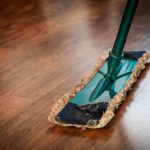
- The Microfiber Flat Mop: This is the current gold standard for home use. The pads are machine-washable and use very little water, making them safe for sensitive wood floors. Because the pads are swapped out frequently, you aren’t just pushing dirty water around the room.
- The Spin Mop: A modern twist on the classic bucket system. The centrifugal spinning action allows you to control exactly how damp the mop head is. It is excellent for textured tile floors where you need a bit more liquid to reach into grout lines.
- The Spray Mop: The ultimate tool for convenience. With a built-in trigger and reservoir, it eliminates the need for a bucket entirely. It is ideal for “spot mopping” and daily maintenance in high-traffic areas like kitchens.
- The Robot Mop: These autonomous devices are best for maintenance between deep cleans. While they lack the “elbow grease” for stuck-on stains, they are excellent at keeping dust and light spills under control without any manual labor.
How to Match the Mop to Your Floor Type
Choosing the wrong mop can lead to permanent damage. For hardwood and laminate, a flat microfiber mop is best because it prevents water from seeping into the seams. For textured ceramic tile, a string or strip mop (like a spin mop) is superior because the loose fibers can drop into the uneven surfaces that a flat pad might skip over. For stone and marble, avoid any mop that has abrasive “scrubbing” strips, as these can create micro-scratches in the stone’s polish.
The Professional Technique: The “Two-Bucket” Method
If you prefer using a traditional mop and bucket, the secret to a truly clean floor is the two-bucket system. Fill one bucket with your cleaning solution and the second with plain, clear water. Dip the mop in the soap, clean a section of the floor, then rinse the dirty mop in the clear water bucket before dipping it back into the soap. This ensures that the water touching your floor is always clean, preventing the “gray haze” often seen after mopping with a single bucket.
Maintenance: A Clean Mop Equals a Clean Floor
The most common mopping mistake is using a dirty mop head. If your mop smells sour or looks gray, you are simply spreading bacteria across your home. Microfiber pads should be laundered after every use (without fabric softener). Traditional mop heads should be thoroughly rinsed and hung to dry in a well-ventilated area. A damp mop left in a dark bucket is a primary breeding ground for mold and mildew, which will be transferred to your floors during the next use.